

Bella's Jewelry
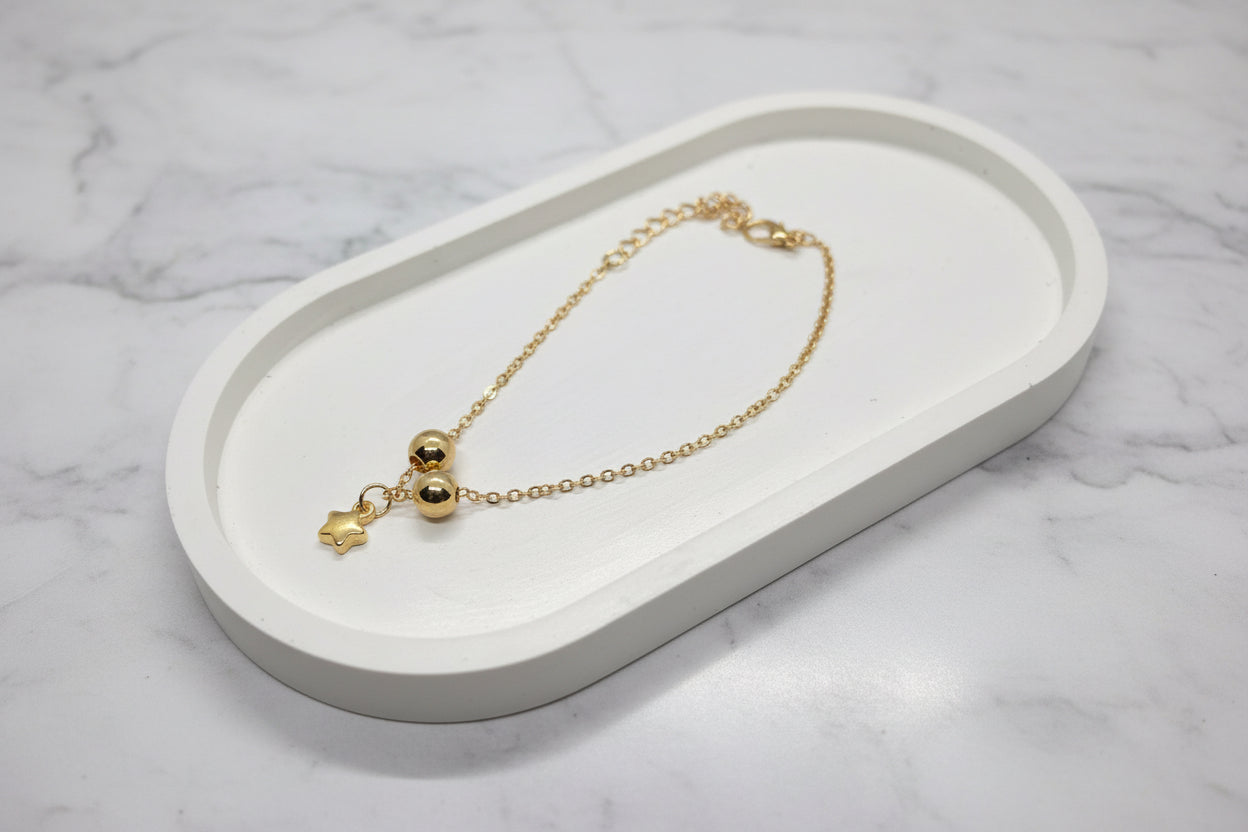
Piyal(Anklets)Pair Of Three
Piyal(Anklets)Pair Of Three
Couldn't load pickup availability
Piyal, commonly known as Payal, is a traditional anklet worn around the ankles, symbolizing grace, femininity, and cultural elegance. It has been an integral part of South Asian heritage for centuries and is especially cherished in Pakistan and India as a sign of beauty, tradition, and celebration.Traditionally crafted from pure silver, piyal is loved not only for its aesthetic charm but also for its cultural and symbolic value. Silver is considered auspicious and soothing for the body, which adds to the importance of wearing payal in daily life as well as on special occasions. Modern piyal designs may also be found in gold-plated, oxidized silver, or mixed-metal styles to suit contemporary fashion preferences.A piyal often features delicate chains, intricate links, tiny bells (ghungroo), beads, or engraved motifs. When worn, the soft musical sound produced by the bells enhances the wearer’s presence, adding rhythm and elegance to every step. Some designs are simple and minimal, perfect for daily wear, while others are heavily embellished, making them ideal for weddings, festivals, and formal events.In cultural traditions, piyal holds deep emotional value. It is commonly gifted to brides and is associated with marriage, prosperity, and joy. In classical dance forms, anklets play a vital role by accentuating foot movements and expressions. For many women, piyal is not just jewelry but a reflection of identity, tradition, and timeless beauty.Today, piyal beautifully blends tradition with modern style. It can be paired with shalwar kameez, sarees, lehengas, or even fusion and Western outfits, making it a versatile accessory. Whether worn as a single delicate chain or a pair of ornate anklets, piyal enhances the elegance of the feet and completes the overall look with subtle charm.In essence, piyal is more than an ornament—it is a graceful expression of culture, femininity, and enduring tradition passed down through generations.
Share